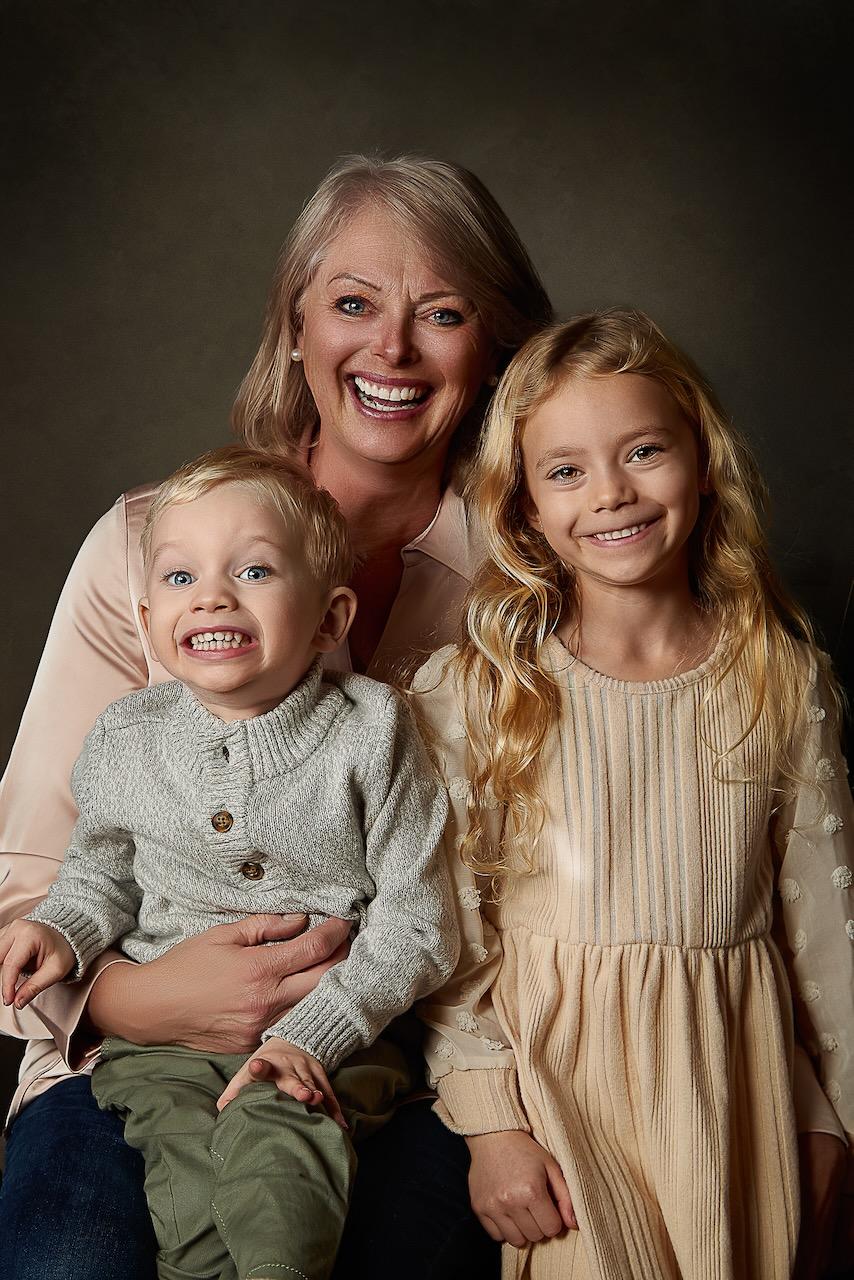
A Photograph Changes When You Can Hold
A Photograph Changes When You Can Hold It
We take more photographs now than we ever have.
Our phones are filled with them. Thousands of moments collected over years—birthdays, vacations, ordinary afternoons, people we love, dogs asleep in ridiculous positions, children who seem to change between one photograph and the next.
We have more photographs than any generation before us.
And yet, somehow, we may be living with fewer of them.
Most stay on our phones. Some make their way to social media. Others disappear into folders and cloud storage, waiting for the day we promise ourselves we'll go back and organize them.
But every once in a while, a photograph becomes something else.
It gets printed.
And I think something changes when it does.
A Photograph Becomes an Object
There is something very different about holding a photograph in your hands.
You notice things differently.
You spend longer with it.
Maybe that's because a printed photograph asks nothing from us. There is no screen to swipe. No notification arriving at the top. No next image waiting underneath it.
There is simply the photograph.
I see this during portrait reveals all the time. Looking at an image on a screen can be emotional, but seeing that same photograph printed creates a different response.
People touch it.
They bring it closer.
They notice the details.
And suddenly the photograph isn't just an image anymore.
It's an object that belongs to them.
The Photographs We Live With Become Part of Our Story
Think about the photographs you remember from childhood.
Chances are, you aren't remembering something stored on a hard drive.
Maybe it was a photograph on your grandmother's dresser. A family portrait in the hallway. An album you pulled from a shelf so many times that you knew exactly which photograph came next.
Those photographs became part of the landscape of our lives.
We didn't need to deliberately go looking for them. They were simply there.
And because they were there, we saw them again and again.
I think there's something important about that repetition.
A child who grows up seeing photographs of their family on the walls of their home is continually being shown: This is where you belong.
A portrait of someone we love becomes part of the way we remember them.
And a portrait of ourselves can quietly remind us of a version of ourselves we might otherwise forget.
Some Photographs Become More Valuable With Time
When a portrait is created, we usually understand its value in the present.
We love the expression. We remember the experience. We recognize the people in it exactly as they are right now.
But photographs have a strange way of becoming more important as the years pass.
Children grow.
Families change.
People move away.
And eventually, some of the people in our photographs are no longer here.
The photograph hasn't changed.
We have.
That's when an image that once felt simply beautiful can become irreplaceable.
I've written before about The Portraits We Leave Behind because this is something I believe deeply: we cannot always know which photographs will become important to us.
Often, we only understand their value later.
This Is Why I Believe in Finished Artwork
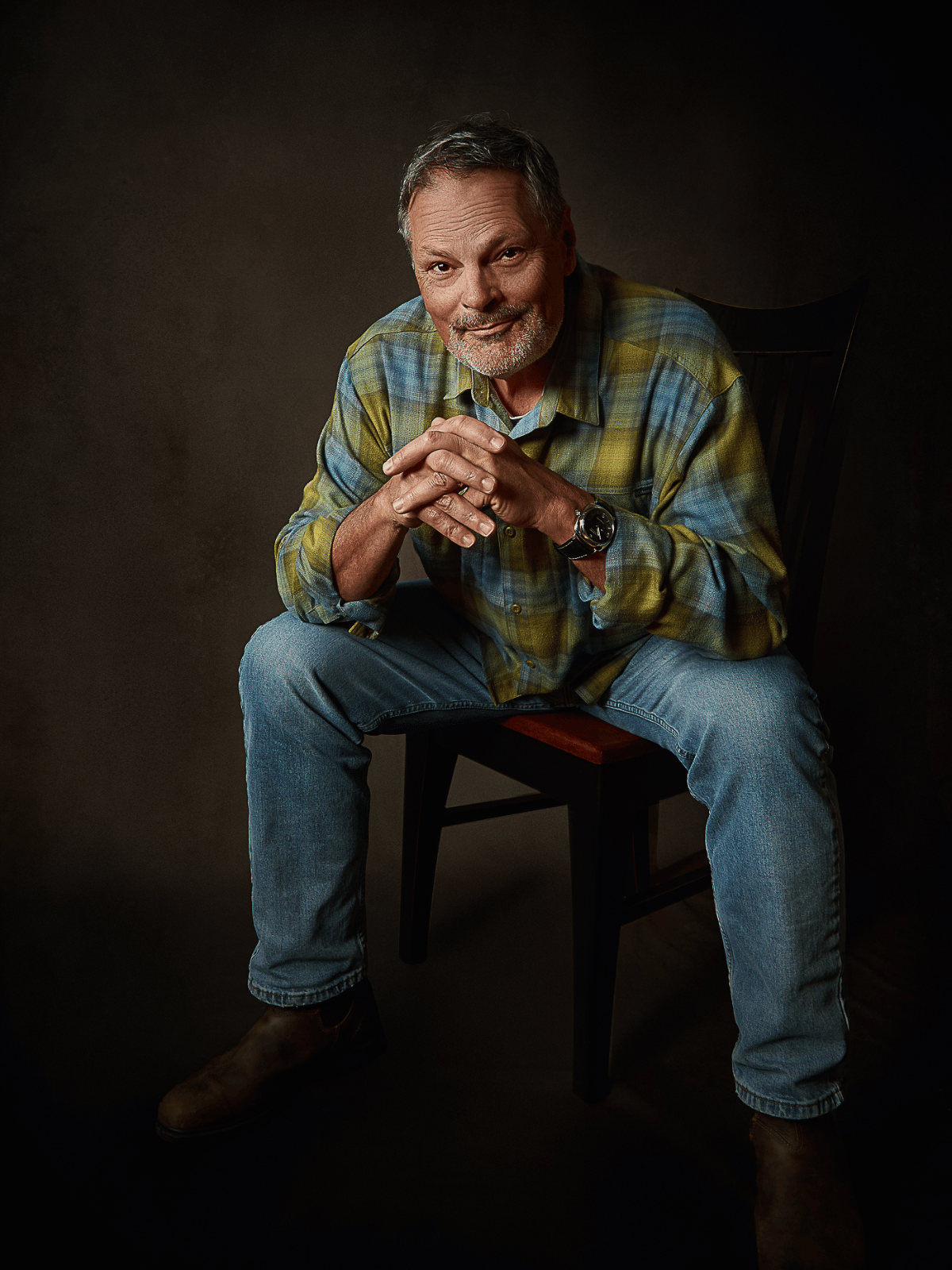
When I photograph someone, I'm not thinking only about the image we're creating that day.
I'm thinking about where that photograph might live.
An album that will be opened years from now.
A portrait on a wall that a child passes every day without realizing that one day it may become one of the things that reminds them most clearly of home.
A box of photographs someone will eventually sit on the floor and go through slowly.
Digital photographs matter. They make sharing our lives incredibly easy, and I wouldn't want to give that up.
But I don't believe our most meaningful photographs should exist only as files.
Files are something we store.
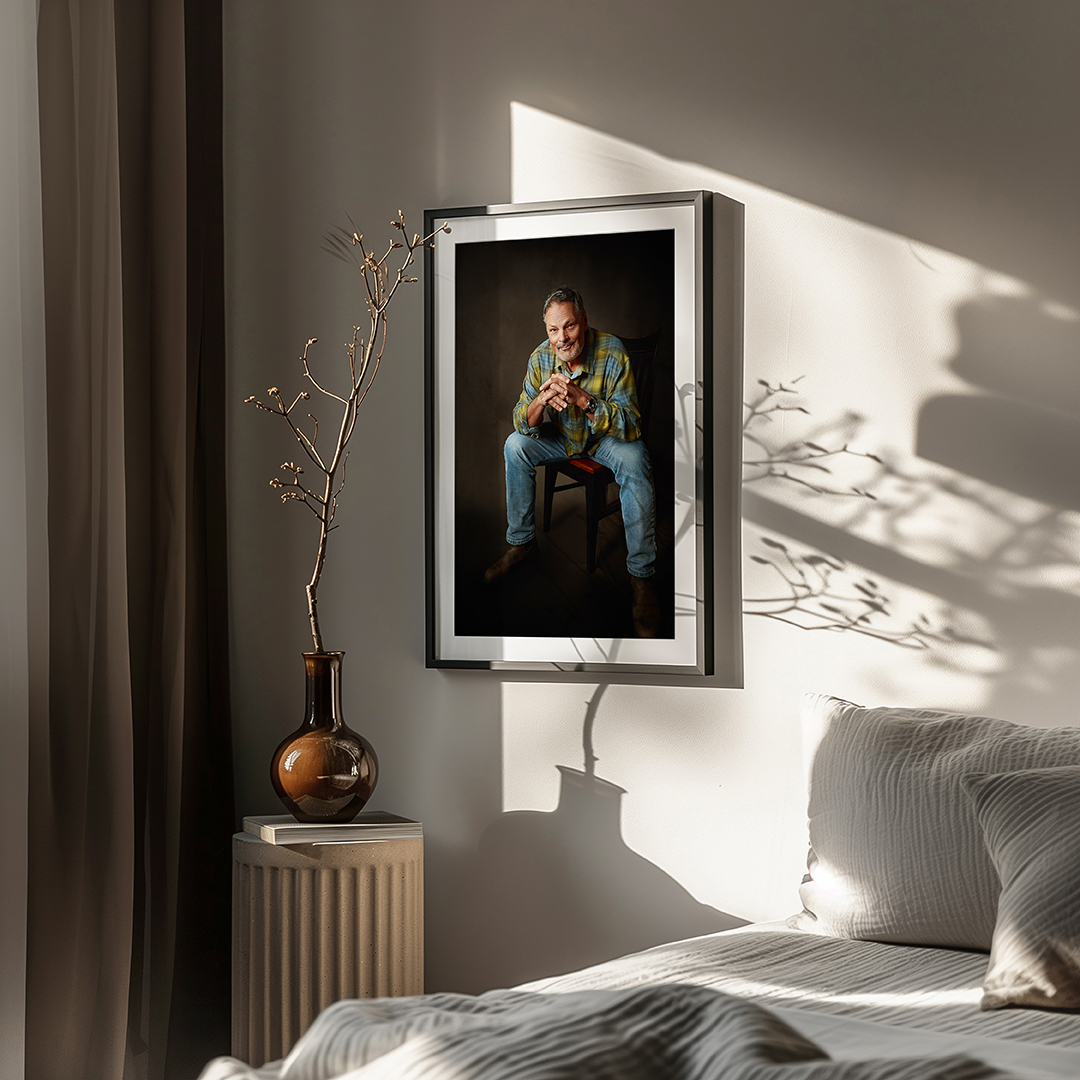
Artwork is something we live with.
What We Choose to Keep
Perhaps that's ultimately what printing a photograph is.
A decision to keep something.
Not simply somewhere in our phone or buried among thousands of other images, but somewhere it can continue to be part of our lives.
Because there will always be another photograph.
Another phone.
Another hard drive.
Another technology replacing the one we're using now.
But there is something wonderfully simple about a photograph you can hold in your hands.
It doesn't need to be opened.
It doesn't need a password.
It doesn't need to be charged.
It simply waits for us.
And sometimes, years after it was made, we pick it up again and discover that the photograph has been quietly becoming more valuable all along.
Continue Exploring
Every project begins with a conversation.
Explore the stories, portraits, and ideas that continue to shape my work.
The Journal
Conceptual Work
Portraits of Becoming
Inkcandescent

