The Art of Seeing
The Art of Seeing
Photography teaches you how to use a camera. Being an artist teaches you how to see.
I've been thinking about that distinction a lot lately.
When I first learned photography, so much of my attention was focused on the technical things. Where should the light be? What aperture should I use? Is the composition right? Is everything sharp where it needs to be?
Those things matter. They always will. But eventually they become instinctive, and you begin to realize that knowing how to make a photograph isn't the same as knowing when there's a photograph worth making.
That requires something different.
It requires paying attention.
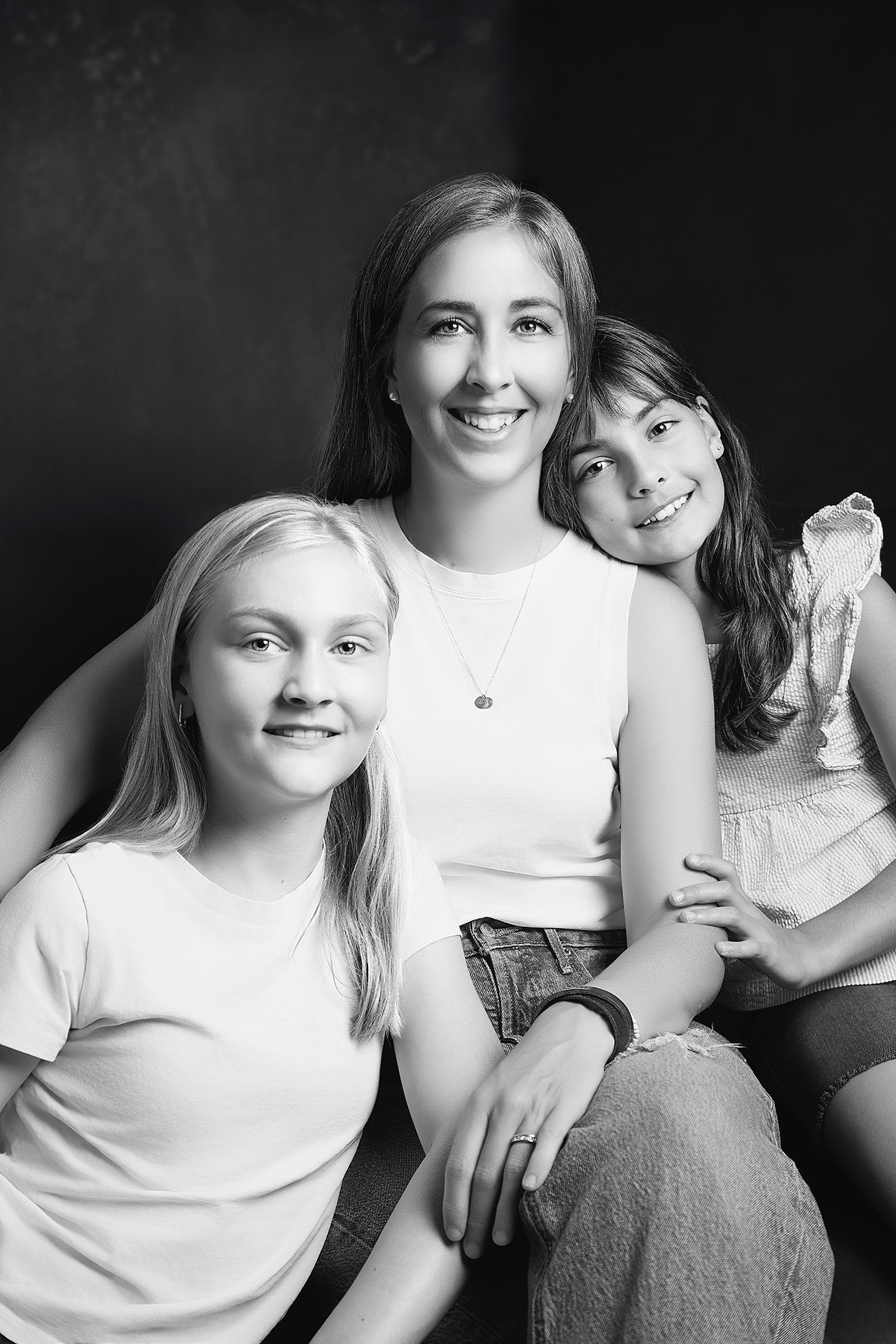
When someone is in front of my camera, I'm watching for the things they probably don't realize they're doing. The way their hands move when they're nervous. As I wrote in Every Portrait Begins Before I Pick Up My Camera, the portrait begins with understanding the person long before I press the shutter. The change in their expression when they stop thinking about being photographed. The way a mother instinctively reaches toward her child. The tiny distance—or complete absence of it—between two people who love each other.
Sometimes it's a glance that lasts for less than a second. Sometimes it's the way someone holds their shoulders. Sometimes it's a hand resting exactly where it always rests.
None of those things sound particularly extraordinary.
But they can be the entire reason a portrait matters.
I've learned that some of the most powerful photographs aren't created by adding something. They're created by noticing what is already there.
That's the part of portraiture I've become increasingly fascinated by.
What Happens Between the Photographs
There are moments during every session when I'm technically not photographing anything.
We're talking. Someone is adjusting their clothing. A child has wandered away from where we intended them to stand. A dog has decided they've had enough of our plans. Someone laughs because something has gone completely wrong.
And very often, that's when I see it.
The shoulders drop.
The expression changes.
People move naturally toward one another.
For a moment, nobody is trying to make a photograph.
Those are the moments I'm watching for because that's often where the truth lives.
It's easy to photograph the expression someone gives you when you ask them to smile. It's much more interesting to notice the expression that appears when they've forgotten you're looking.
Over time, I've realized that my job isn't simply to direct what's happening in front of me. Sometimes my job is to create enough space for something unexpected to happen—and then recognize it when it does.
The Things We Almost Miss
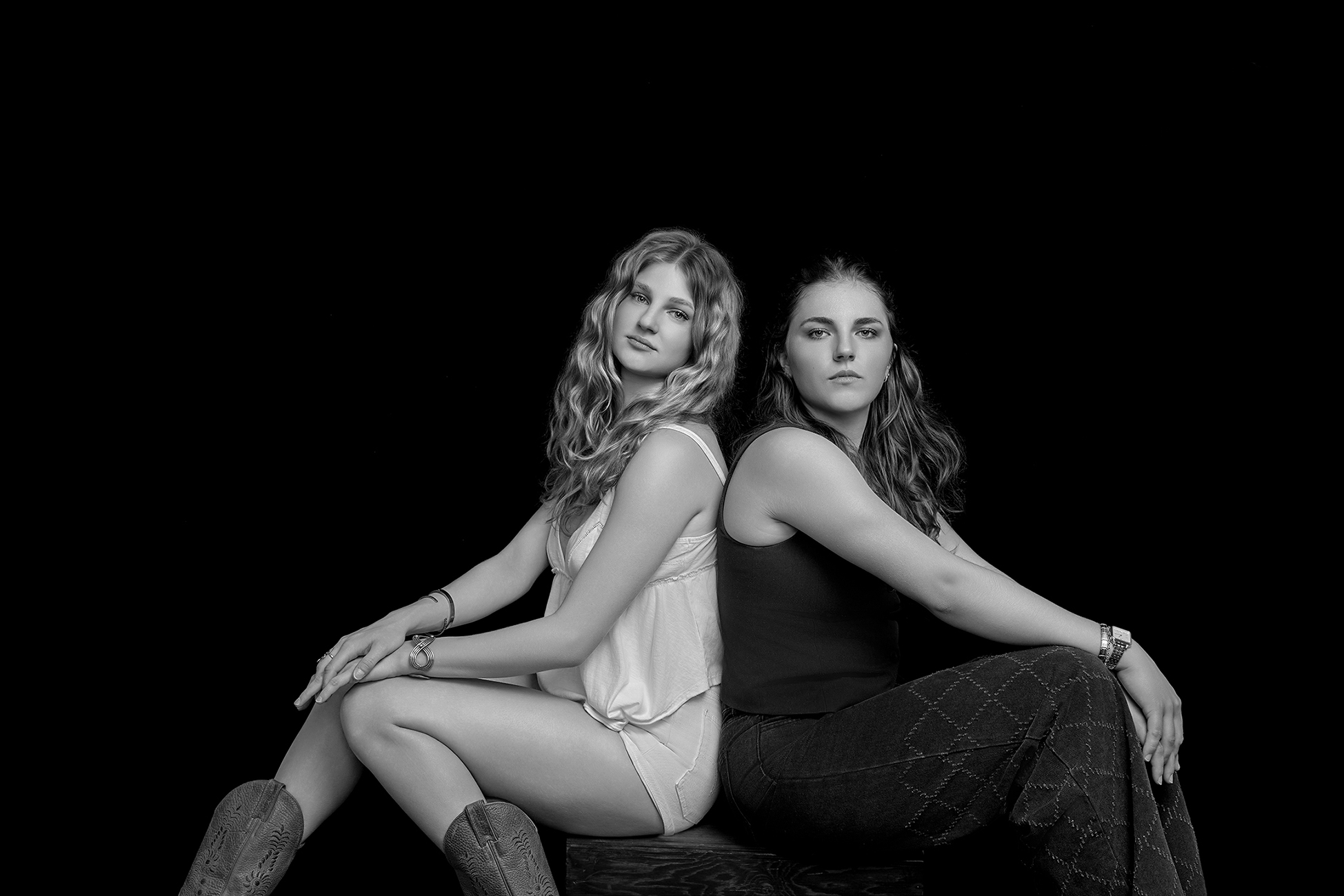
We tend to think photographs are about faces, but some of the details I notice most have nothing to do with someone's face.
Hands tell incredible stories.
So does posture.
The way two people lean toward one another can say more about their relationship than any perfectly posed photograph ever could.
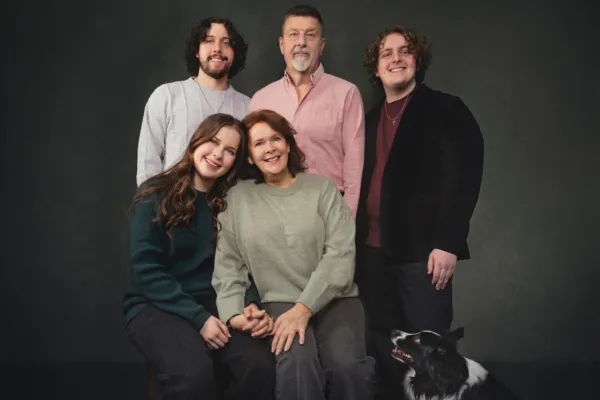
A child's fingers wrapped around a parent's hand. The way someone's hand disappears into the fur of the dog they've loved for years. The way a couple who've spent decades together sit so naturally beside one another that neither seems aware of where one person ends and the other begins.
These details are ordinary when we're living them.
That's precisely why they're so easy to overlook.
We assume they'll always be there.
Until one day, they aren't.
And suddenly the smallest detail in a photograph—the shape of someone's hands, the way they laughed, the familiar tilt of their head—can become the thing we treasure most. It's one of the reasons I believe so deeply in creating The Portraits We Leave Behind.
Perhaps that's why I've become less interested in creating photographs that simply show what someone looks like.
I want to notice the things that tell me who they are.
Seeing Beyond What Is Beautiful
Beauty is easy to recognize.
Meaning asks us to look a little longer.
Sometimes the most interesting part of a portrait is the thing that isn't perfect. A wrinkle in someone's expression. A moment of hesitation. A strand of hair that moved at exactly the right time. The tension in someone's hands before they finally relax.
Earlier in my career, I might have tried to correct some of those things.
Now I'm more likely to ask whether they're part of the story.
That doesn't mean I stop directing or making intentional choices. Quite the opposite. Light, composition, movement and expression all help me guide the viewer toward what I want them to notice.
But the goal isn't perfection.
The goal is recognition.
I want someone to look at a portrait and feel that something familiar has been preserved there.
Not simply, That's what she looked like.
But, That's her.
There is an enormous difference between the two.
Learning to See
I don't think learning to see ever really ends.
The longer I photograph people, the more aware I become of how much there is to notice. Every person who steps in front of my camera teaches me something different about expression, connection, vulnerability, strength or simply being human.
And that way of seeing doesn't switch off when I put the camera down.
I notice light falling across someone's face in a restaurant. I notice strangers reaching for one another. I notice the way people occupy space when they're confident and how differently they move when they're uncertain.
Sometimes I see a finished portrait in my mind before I've figured out how to create it. Other times, the person in front of me gives me something I never could have imagined beforehand.
Both require the same thing.
Pay attention.
Because perhaps the art of portraiture isn't really about learning how to photograph people.
It's about learning how to see them.
And when we learn to look closely enough, we begin to understand that the extraordinary was often there all along.
Continue Exploring
Every project begins with a conversation.
Explore the stories, portraits, and ideas that continue to shape my work.
The Journal
Conceptual Work
Portraits of Becoming
Inkcandescent

