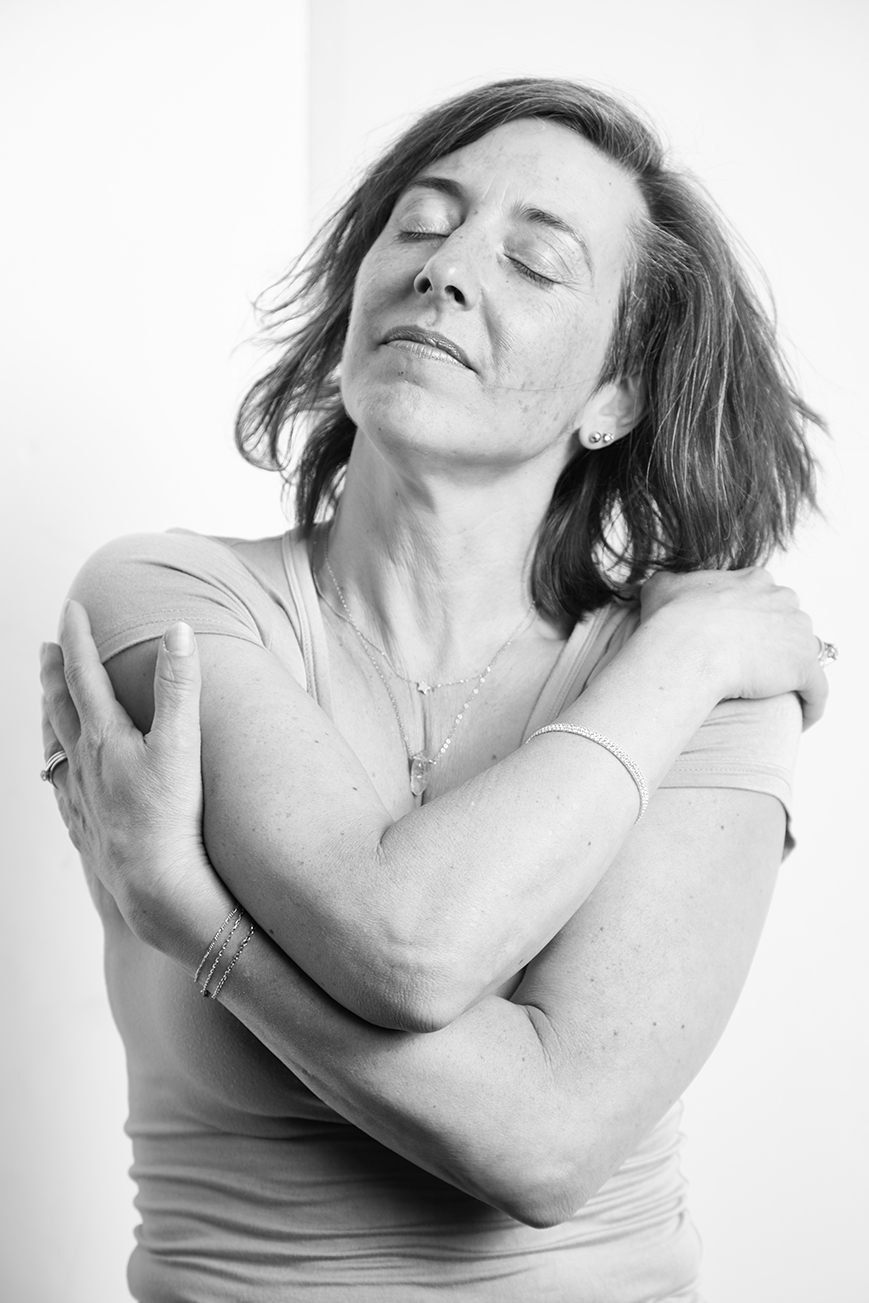
What Changes When You Let Yourself Be Seen
What Changes When You Let Yourself Be Seen
There is a moment in almost every portrait session when something changes.
It rarely happens at the beginning.
At first, most people are aware of the camera. They are thinking about where to put their hands, whether they're standing properly, what their face is doing, and all the other things we suddenly become conscious of when someone points a camera toward us.
They are trying, in some small way, to get it right.
And then, eventually, they stop.
Not because they've figured out how to pose.
Because they've forgotten, at least for a moment, that they need to.
That's usually when I begin to see them.
We Spend a Lot of Time Being Who We Need to Be
I think most of us become very good at moving between the different versions of ourselves.
We are someone's mother. Partner. Daughter. Friend. Business owner. Caregiver. Problem solver. The person everyone calls when something needs to be handled.
Those aren't false versions of us. They're real.
But they're not the whole story.
Somewhere underneath all those roles is the person who existed before some of them began, the person who has changed because of them, and the person who is still becoming something we may not completely understand yet.
We don't often get the opportunity to look at that person.
A portrait can create that space.
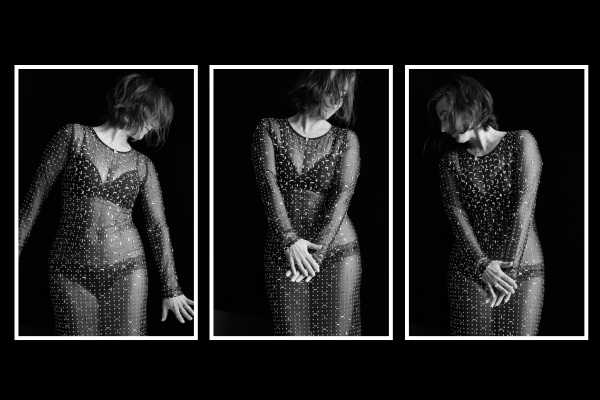
Being Seen Is Different From Being Looked At
There is a difference between someone looking at you and someone actually seeing you. It’s something I wrote about in You Don’t Need to Be Photogenic. You Need to Feel Seen.
Being looked at can make us self-conscious. We immediately begin wondering what the other person notices.
Being seen feels different.
It is less about appearance and more about recognition.
That's part of what I'm looking for when someone is in front of my camera. I'm paying attention to the things that emerge when they begin to settle in—the expression that wasn't rehearsed, the laugh that changes their entire face, the strength in their posture they may not recognize themselves.
Sometimes it's quiet.
Sometimes it's powerful.
Sometimes it's something I don't have a name for until I see the photograph afterward.
But there is almost always a point when the person I'm photographing stops presenting themselves to the camera and simply begins to exist in front of it.
Those are often the portraits that stay with me.
You Don't Have to Arrive as the Finished Version of Yourself
Maybe this is the part of portraiture I've come to understand most deeply.
You don't need a milestone to deserve to be photographed.
You don't have to wait until you've lost the weight, found the confidence, reached the goal, changed your hair, figured out what comes next, or become the person you think you're supposed to be.
There is value in documenting the middle.
Actually, I think the middle may be one of the most important places to document.
Because when we look back at photographs years later, we aren't only remembering what we looked like. We are remembering who we were becoming.
We see the woman who didn't yet know what was coming.
The mother whose children still reached for her hand.
The person rebuilding something.
The person beginning again.
The person who hadn't yet realized how much she had already changed.
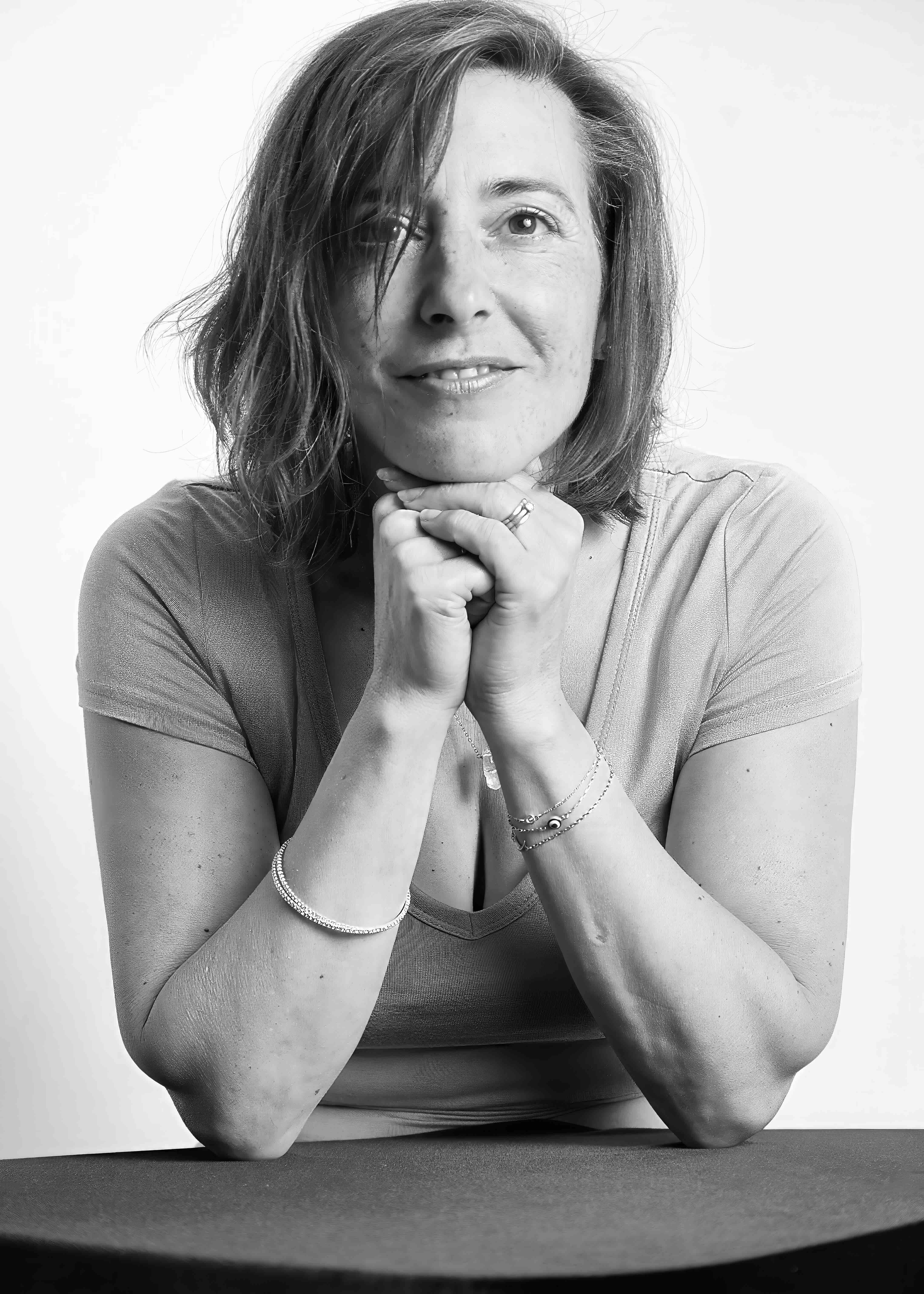
Sometimes the Portrait Shows Us First
One of the most interesting things about making portraits is that occasionally the photograph seems to understand something before we do.
I've watched people look at an image of themselves and become very quiet.
Not because they dislike it.
Because they recognize something.
Maybe it's strength they hadn't given themselves credit for. A softness they thought they'd lost. Confidence they didn't realize other people could see. Or simply a version of themselves they hadn't stopped long enough to notice.
The photograph doesn't create those things.
They were already there.
Sometimes we just need a way to see them.
That, to me, is one of the extraordinary things a portrait can do.
It can become evidence of a person we were still learning to recognize.
And perhaps being seen isn't really about standing confidently in front of a camera at all.
Perhaps it begins with allowing ourselves to be there exactly as we are.
And trusting that there is already something worth seeing.
Continue Exploring
Every project begins with a conversation.
Explore the stories, portraits, and ideas that continue to shape my work.
The Journal
Conceptual Work
Portraits of Becoming
Inkcandescent

